
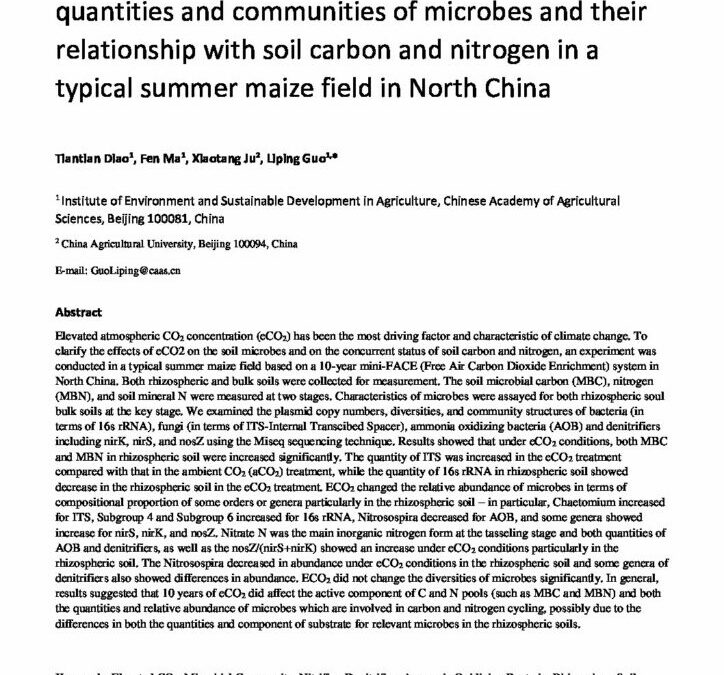
Effect of elevated atmospheric CO2 on the quantities and communities of microbes
Elevated atmospheric CO2 concentration (eCO2) has been the most driving factor and characteristic of climate change. To clarify the effects of eCO2 on the soil microbes and on the concurrent status of soil carbon and nitrogen, an experiment was conducted in a typical...
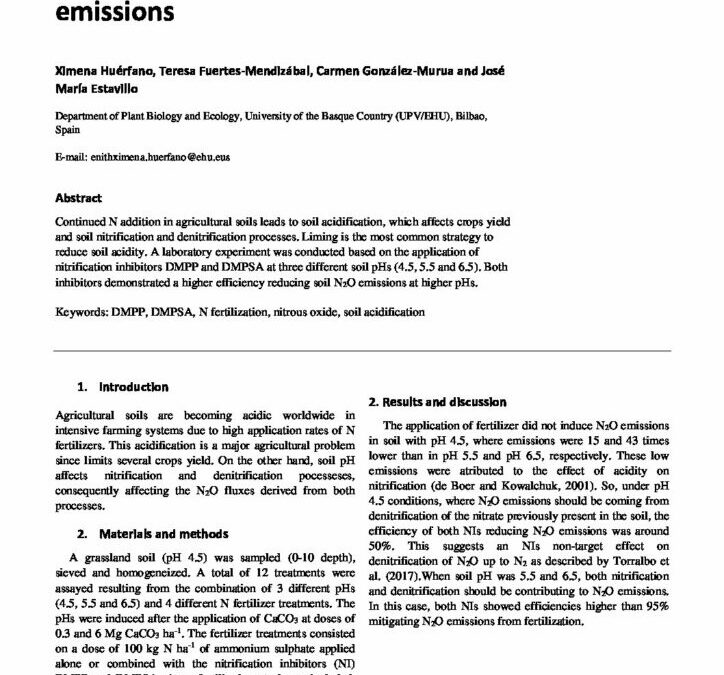
Effect of nitrification inhibitors and soil pH on N2O emissions
Continued N addition in agricultural soils leads to soil acidification, which affects crops yield and soil nitrification and denitrification processes. Liming is the most common strategy to reduce soil acidity. A laboratory experiment was conducted based on the...
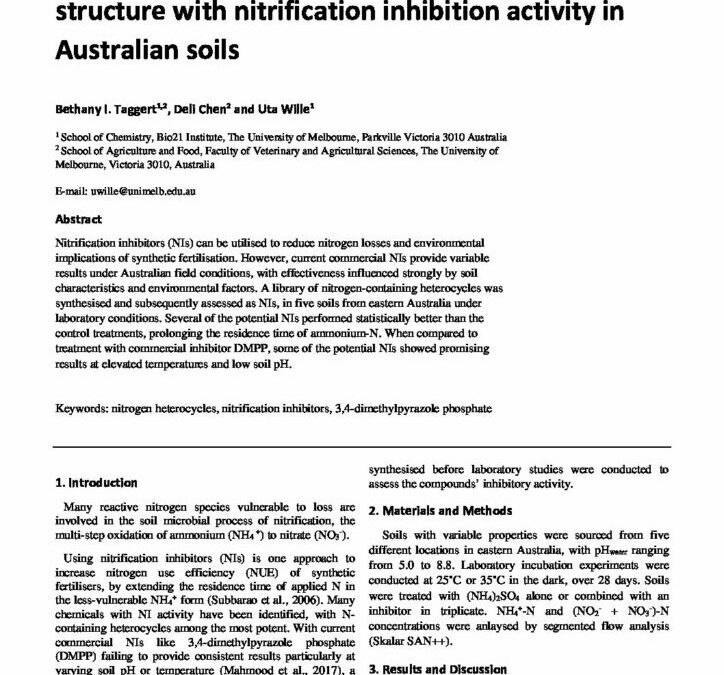
Identification of a new N‐heterocyclic core structure with nitrification inhibition activity in Australian soils
Nitrification inhibitors (NIs) can be utilised to reduce nitrogen losses and environmental implications of synthetic fertilisation. However, current commercial NIs provide variable results under Australian field conditions, with effectiveness influenced strongly by...
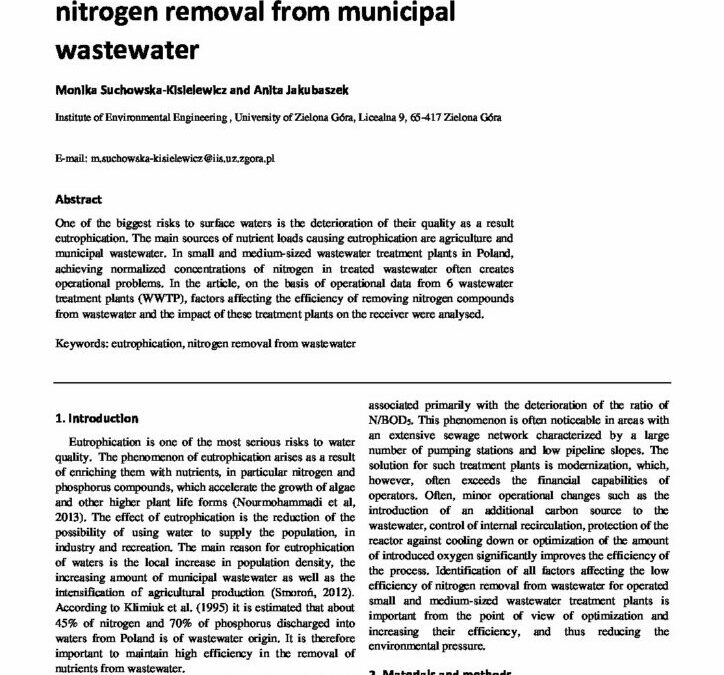
Assessment of the efficiency of nitrogen removal from municipal wastewater
One of the biggest risks to surface waters is the deterioration of their quality as a result eutrophication. The main sources of nutrient loads causing eutrophication are agriculture and municipal wastewater. In small and medium-sized wastewater treatment plants in...
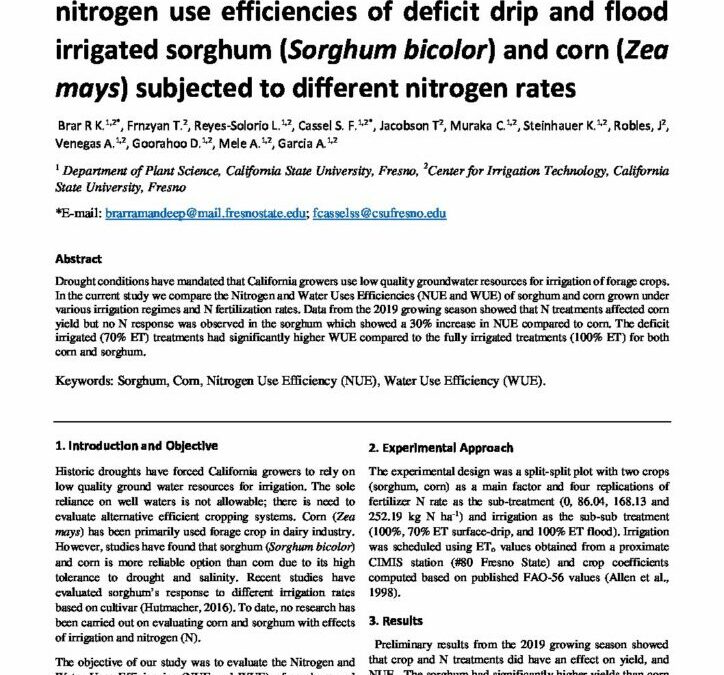
Comparing yield, nutritional quality, water and nitrogen use efficiencies of deficit drip and flood irrigated sorghum
Drought conditions have mandated that California growers use low quality groundwater resources for irrigation of forage crops. In the current study we compare the Nitrogen and Water Uses Efficiencies (NUE and WUE) of sorghum and corn grown under various irrigation...
![Delayed N timing for maize reduced N2O emissions and drainage [NO3 – ] while increasing yield](https://ini2021.com/wp-content/uploads/2021/05/328_Scharf_Delayed-N-timing-for-maize-reduced-N2O-emissions-and-drainage-NO3-while-increasing-yield-pdf-724x1024-1-724x675.jpg)
Delayed N timing for maize reduced N2O emissions and drainage [NO3 – ] while increasing yield
Traditional farmer practice in the central U.S. is to apply all N fertilizer before planting maize. Two long-term experiments (11 and 6 years, respectively) resulted in substantial yield benefits (30% and 13%, respectively) by delaying N fertilizer application until...

Exploring the Impact of Nitrogen Sources on Yield, Partitioning and Nitrogen Use Efficiencies
The nitrogen use efficiency (NUE) by crops in sub-Saharan African cropping systems is relatively low as a result of low Nitrogen (N) inputs and high N losses, posing both economic and environmental concerns. In rice production, nitrogen is one of the most...
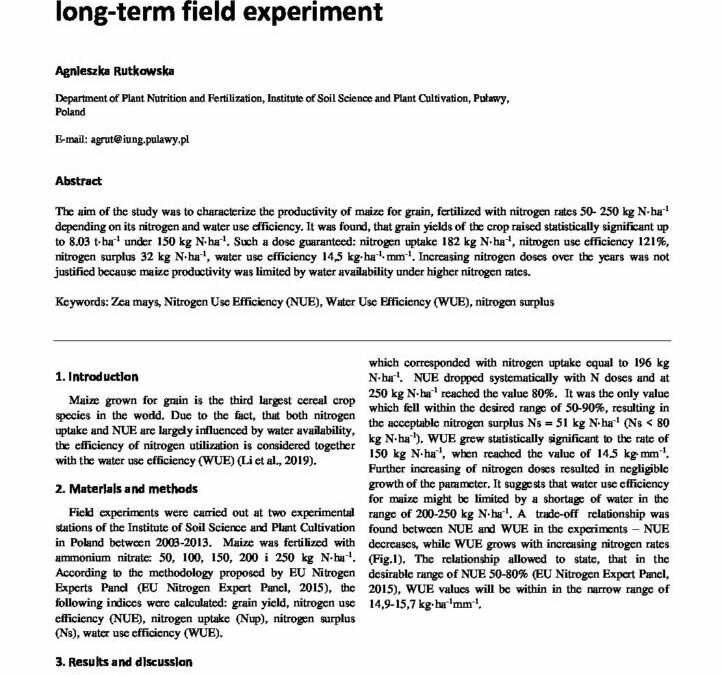
Nitrogen and water use efficiency of maize in long-term field experiment
The aim of the study was to characterize the productivity of maize for grain, fertilized with nitrogen rates 50- 250 kg N·ha-1 depending on its nitrogen and water use efficiency. It was found, that grain yields of the crop raised statistically significant up to 8.03...
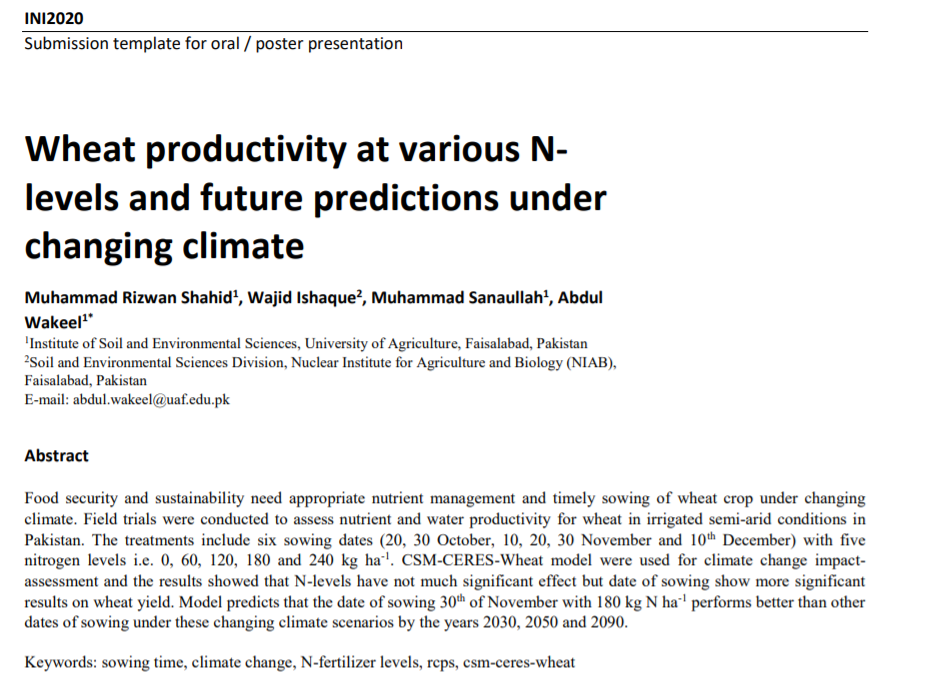
Wheat productivity at various Nlevels and future predictions under changing climate
Food security and sustainability need appropriate nutrient management and timely sowing of wheat crop under changing climate. Field trials were conducted to assess nutrient and water productivity for wheat in irrigated semi-arid conditions in Pakistan. The treatments...
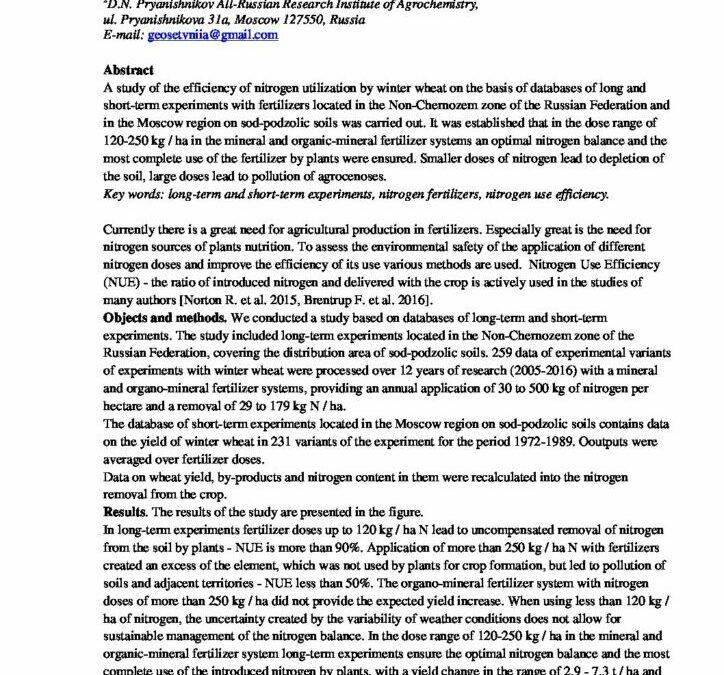
Nitrogen use efficiency in long and short-term experiments of the Russian Federation
A study of the efficiency of nitrogen utilization by winter wheat on the basis of databases of long and short-term experiments with fertilizers located in the Non-Chernozem zone of the Russian Federation and in the Moscow region on sod-podzolic soils was carried out....